Cursed Text Use Cases Worth Stealing For Your Next Project
Cursed text started as a creepypasta trick on old internet forums. Now it shows up in Discord servers, horror games, band merch, and even software testing checklists.
That range surprises people. Most articles on cursed text stop at “it looks spooky, use it for Halloween.” That barely scratches the surface.
This guide walks through the real-world cursed text use cases people rely on today, with practical examples from creative work, branding, gaming, and even the technical side of software development. By the end, you will know exactly where cursed text earns its place and where it works against you.
Cursed Text, Quickly Explained
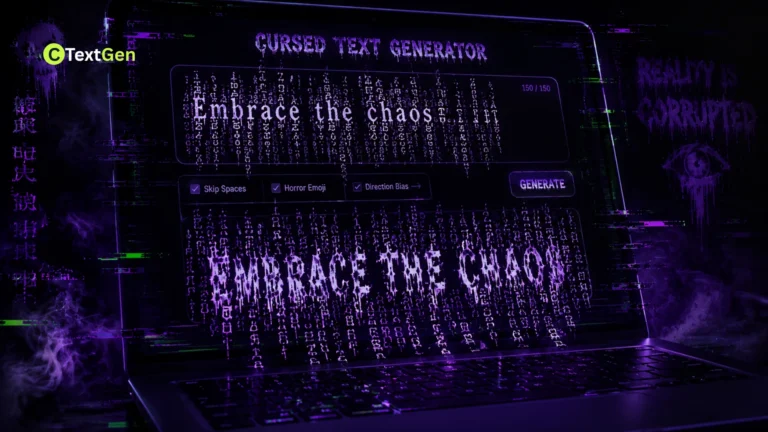
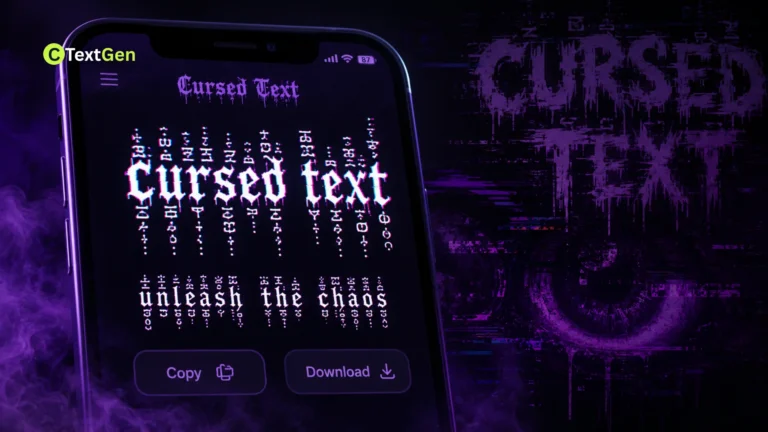
Cursed text is regular writing dressed up with Unicode combining marks, the small symbols normally used for accents in words like café or naïve. A cursed text generator stacks dozens of these marks onto a single letter instead of just one, creating that dripping, corrupted look you have probably seen in a horror meme or a creepy Discord message.
This style is also called Zalgo text, glitch text, or demonic text, depending on who you ask. According to Wikipedia, the format traces back to a 2004 internet creepypasta that attributed it to an eldritch entity, and it grew out of a Something Awful forum member distorting cartoon comic strips into unsettling image macros. That origin explains why horror and dark humor remain the two biggest examples of cursed text use cases you will find online.
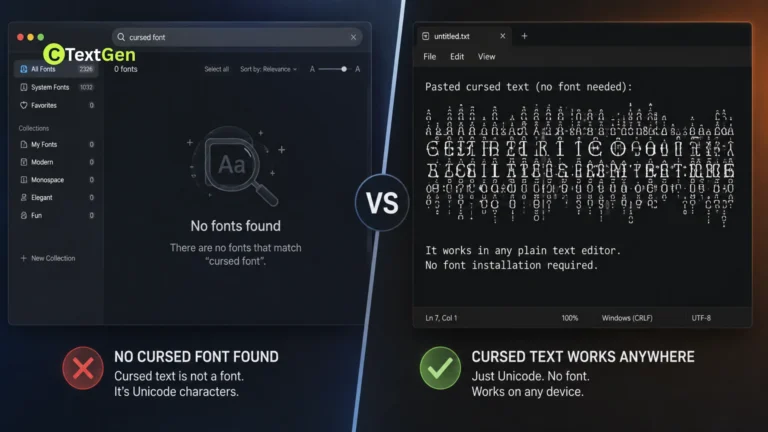
None of this involves images, custom fonts, or code. It is plain Unicode text rendered chaotically, which is exactly why it works on so many different platforms.
Cursed Text Use Cases Across The Internet
The most common use cases for cursed text live in casual, everyday corners of the internet, not in big campaigns.
Horror Storytelling And Creepypasta
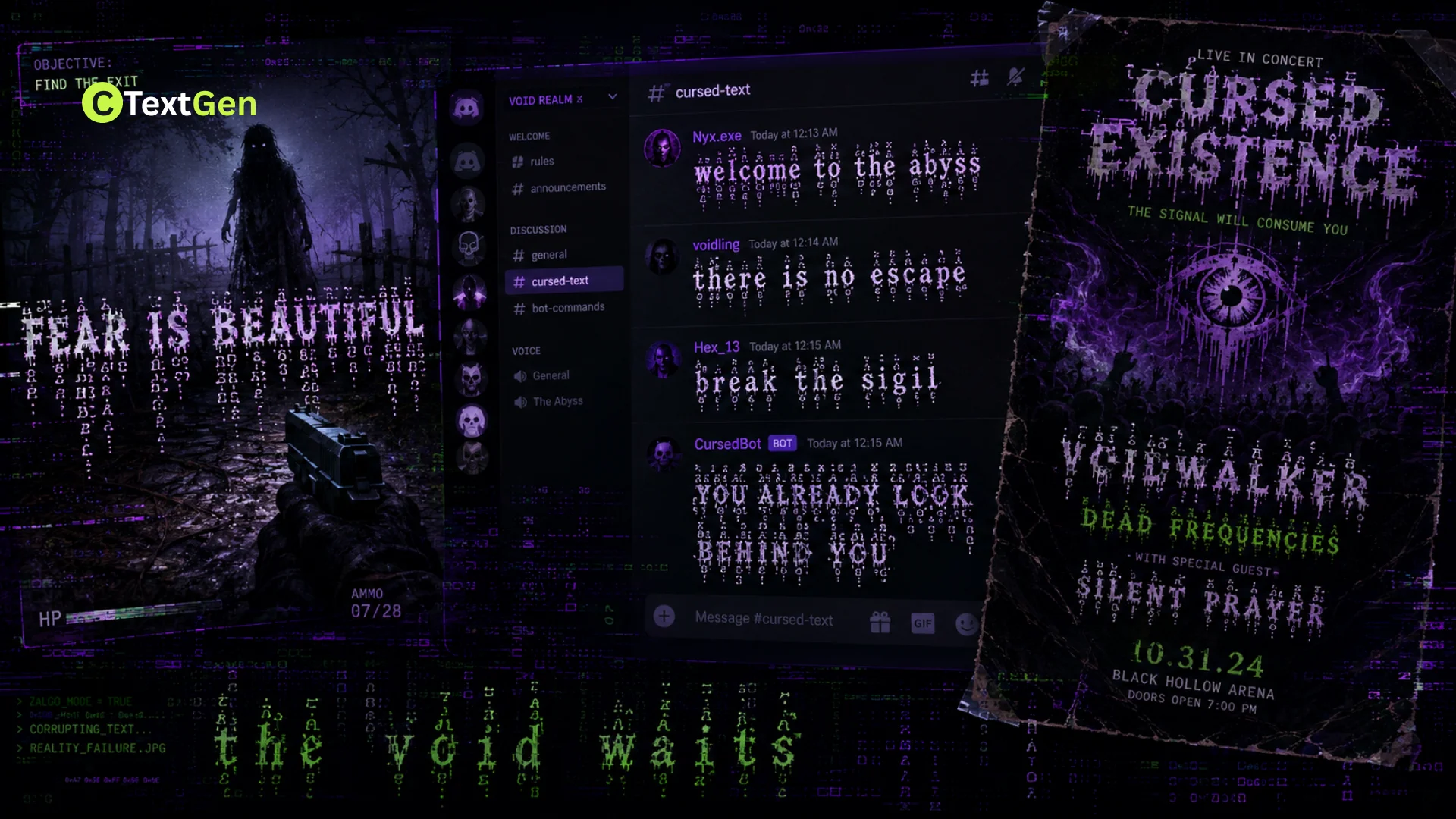
Writers use cursed text to represent a possessed character speaking, corrupted data, or a glitching AI losing control. A single cursed line dropped into an otherwise normal story creates an instant jolt, since the reader’s eye trips over the distorted letters before the brain even processes the words. Reddit’s horror and creepypasta communities lean on this constantly, using cursed text for in-universe messages, cursed objects, or a monster’s dialogue.
Halloween And Seasonal Content
Around October, cursed text shows up everywhere from party invitations to spooky Instagram captions. It signals the theme instantly, without needing an image or a special font file, which makes it a fast, free way to add atmosphere to seasonal posts.
Video Games And In-Game Text
Horror-themed games use cursed text for corrupted signs, possessed NPC dialogue, or glitch effects tied to a story moment. Roleplay servers on Discord and text-based games use it similarly, letting a monster or cursed item “speak” in a way that visually separates it from normal chat.
Social Media Bios, Usernames, And Comments
A glitchy bio line or username stands out instantly in a feed full of plain text. Light or medium-intensity cursed styling reads as intentional and stylish here, whereas going too heavy risks looking broken rather than edgy. TikTok and Instagram users lean on this for a quick, low-effort way to look distinctive.
Discord Server Branding And Roleplay
Cursed fonts show up in server names, channel titles, bot names, and role titles on Discord servers built around horror, dark fantasy, or ironic meme culture. A cursed server name signals the tone before anyone reads a single message, which is exactly the point for communities built around that aesthetic.
Memes, Trolling, And Weird Internet Humor
Sending a friend a wall of cursed text is a classic, harmless prank. It looks like their screen or phone is glitching, even though the text is completely safe. This playful, slightly chaotic use is where many people first encounter cursed text, before ever seeing it used in anything more serious.
Cursed Text Use Cases In Design And Branding
Beyond casual posting, cursed text has a real, if niche, place in visual design work.
Graphic Design, Posters, And Album Covers
Designers working in cyberpunk, glitch art, or horror genres use cursed lettering on posters, thumbnails, and album covers to create an unsettling visual without commissioning custom artwork. It pairs naturally with distressed textures, VHS effects, and other glitch aesthetics that are already popular in that space.
Marketing Campaigns And Guerrilla Advertising
Some brands use cursed text in email subject lines or social captions specifically to boost open rates and interrupt scrolling patterns, as long as the core message remains readable. Horror movie promotions and escape room marketing use it especially often, since a cursed teaser line instantly communicates genre and tone before anyone clicks through.
Merchandise And DIY Projects
Cursed lettering appears on custom mugs, t-shirts, invitations, and scrapbook decorations, especially for horror-themed events or gifts for fans of creepy aesthetics. Because it is just text, anyone can generate it and drop it straight into a design tool without needing illustration skills.
Industries That Use Cursed Text Effects
Certain industries reach for cursed text more consistently than others, and the reasons differ from one to the next.
Entertainment And Gaming
Horror film studios, indie game developers, and streaming creators use cursed text in trailers, thumbnails, and promotional posts to instantly telegraph genre. It costs nothing to generate and communicates tone faster than most other typography choices available to smaller creators.
Music And Album Art
Metal, industrial, and horrorcore artists have used distorted, cursed-style lettering on covers and promotional material for years, often blending it with more traditional glitch and grunge typography.
Fashion And Streetwear
Streetwear brands leaning into a dark, internet-native aesthetic sometimes use cursed lettering in logos, drop announcements, and social captions to signal cultural fluency with online meme culture, particularly when targeting younger, internet-literate buyers.
Tabletop Gaming And Roleplay
Dungeons and Dragons players and game masters use cursed text for cursed scrolls, threatening notes from a villain, or messages carved by a supernatural force inside the game world. A cursed-looking prop note handed to players adds atmosphere that a normal printed page cannot match, which is why the idea shows up regularly in tabletop gaming communities looking for creepy in-game props.
Cursed Text Use Cases And Functional Requirements In Software
This is the use case almost nobody talks about, and it matters more than it sounds.
Unicode Input Validation Testing
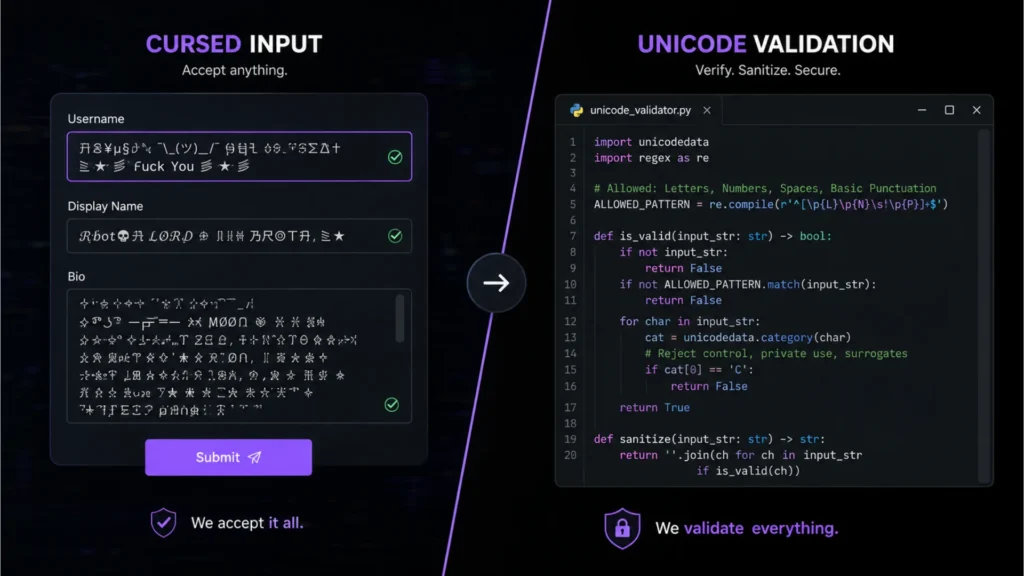
Software teams use cursed or Zalgo-style text specifically to stress-test how an application handles unusual Unicode input. Since a single cursed letter can be a base character followed by dozens of combining marks, pasting it into a form field is a fast way to check whether a system properly validates, stores, and displays extreme character sequences. QA engineers use this kind of text to catch data corruption, encoding bugs, and display issues before they reach real users.
Why Developers Plan For Cursed Text In Functional Requirements
When a development team writes functional requirements for an app that accepts free-text input, from usernames to comments to chat messages, Unicode handling belongs in that specification. A requirement might specify a maximum input length, whether combining characters are stripped or normalized, and how the interface should behave if a user pastes an extremely dense, cursed string. Skipping this step is exactly how older apps, like early versions of Apple’s Messages app, became vulnerable to crashes triggered by dense Zalgo text. Planning for it upfront, rather than patching it after a bug report, is the difference between a minor edge case and a real reliability issue.
When Cursed Text Hurts More Than It Helps
Cursed text is not a universal upgrade, and knowing when to skip it matters just as much as knowing when to use it.
Professional communication is the clearest example. A resume, a client email, or a formal announcement should never include cursed styling, since it reads as unserious at best and broken at worst.
Long-form writing is another weak spot. Some writers are tempted to use glitch text across entire paragraphs, but excessive character combinations quickly exceed platform input limits. To prevent your text from getting truncated, check out our guide on cursed text character limit secrets that stop annoying cutoffs to learn how to keep your text fully visible.
Accessibility is the most important limitation of all. Screen readers can struggle badly with heavy combining mark stacks, sometimes reading out every individual mark or skipping the word entirely. Anywhere accessibility matters, cursed text should be avoided or used extremely sparingly.
Practical Examples
A horror game developer uses cursed text for a single corrupted sign in an abandoned building level, keeping every other in-game text completely normal so the cursed moment stands out.
A Discord community built around creepypasta renames its “rules” channel to a cursed variant, instantly setting the tone before a new member reads a single word.
A tabletop game master hands players a physical note with a cursed-looking warning from an ancient spirit, written in light-intensity ink so it remains readable at the table.
A QA engineer pastes a heavily stacked cursed string into a signup form’s name field to confirm the database stores and displays it without corrupting nearby records.
A small horror-themed clothing brand uses a cursed word in an Instagram caption teasing a new drop, keeping the rest of the caption in plain, readable text.
Common Mistakes People Make With Cursed Text
Using maximum intensity everywhere. Full Zalgo distortion works for a single accent word, not an entire paragraph. Overdoing it makes text unreadable and undercuts whatever message you were trying to send.
Ignoring the platform. A cursed username that renders perfectly on Discord might get stripped down or rejected on a platform with stricter Unicode filtering, so it is worth testing before committing to a design.
Forgetting accessibility. Skipping a plain text alternative anywhere accessibility matters shuts out real users, not just hypothetical ones.
Treating it as a universal branding tool. Cursed text naturally fits horror, glitch, and internet-native aesthetics. Forcing it into a brand voice unrelated to those themes tends to feel random rather than intentional.
Tips For Using Cursed Text Effectively
Match the intensity to the context. Light styling works for professional-adjacent creative spaces, while heavy Zalgo distortion suits horror communities and Halloween content where readers expect the chaos.
Keep the surrounding content normal. Cursed text creates the strongest impact when it interrupts otherwise plain writing, rather than blending into a wall of equally distorted text.
Test across devices before publishing anything important. Rendering varies by font and platform, so a cursed design that looks perfect on your phone might display differently elsewhere.
Provide a plain-text version when accessibility could be a factor, especially for anything shared publicly or in professional contexts.
Frequently Asked Questions
What are the most common cursed text use cases?
Horror storytelling, Halloween content, social media bios, Discord branding, and graphic design for glitch or cyberpunk aesthetics are the most common everyday uses. Software QA testing for Unicode input handling is a lesser-known but genuinely important technical use case.
Can cursed text be used in professional design work?
Yes, in the right context. Horror movie marketing, escape room promotion, and glitch-themed graphic design use cursed text successfully because it fits the genre. Corporate branding outside those niches should generally avoid it.
Do businesses actually use cursed text in marketing?
Some do, particularly in horror entertainment, music, and streetwear targeting internet-literate younger audiences. It works best as an occasional pattern interrupt rather than a constant style choice.
Why would a software team care about cursed text?
Because cursed text is a real-world example of extreme Unicode input. Testing how an application handles it helps developers catch encoding bugs, storage issues, and display problems that regular text input would never reveal.
Is “cursed text” appropriate for accessibility-sensitive content?
No. Heavy combining mark stacks can confuse screen readers, so cursed text should be avoided or used minimally anywhere accessibility is a priority.
Conclusion
Cursed text use cases extend far beyond what most guides admit. It works as a horror storytelling device, a branding tool for the right niche industries, a prop for tabletop games, and a legitimate stress test for software that handles free-text input.
The pattern across every good use case is the same. Cursed text earns its place when it is used deliberately, in a context that already expects a little chaos, and it fails the moment it gets treated as a default styling choice for everything. Keep that distinction in mind, and cursed text becomes a genuinely useful tool instead of just a novelty.